
Welcome to Life Beyond Trauma
I help high-achieving women who are trauma survivors struggling with anxiety, overwhelm and chronic pain so they can find new meaning in their life and reclaim their energy.

Life Beyond Trauma: Reclaim Your Energy & Peace
I help high achieving women who are trauma survivors struggling with anxiety, overwhelm, and chronic pain so they can find new meaning in their life and reclaim their energy.
Life Beyond Trauma: Reclaim Your Energy & Peace
I help high achieving women who are trauma survivors struggling with anxiety, overwhelm and chronic pain so they can find new meaning in their life and reclaim their energy.
Life Beyond Trauma: Reclaim Your Energy & Peace
I help high-achieving women who are trauma survivors struggling with anxiety, overwhelm, and chronic pain so they can find new meaning in their life and reclaim their energy.
Are You a High-Achieving Woman
Trapped in Survival Mode?
If this feels familiar to you, you're in the right place.
You’re committed to your career and family, always giving your best to everything you do. But beneath it all, the chronic pain, anxiety, and overwhelm never let up.
You've been searching for a way to navigate it all without turning to medications that numb your feelings or adding even more to your already full plate. But no matter how hard you try, you’re stuck… You’ve probably heard things like, “Just manage your stress better,” or “You’re strong, you’ll get through this,” and been given prescriptions or a few days off work to “recharge.”
You’ve tried everything maybe some things helped, but nothing has touched the deep, constant hum of pain and anxiety that’s been with you for so long.
Why Surface-Level Fixes Don't Work:
Understanding Trauma in Your Nervous System
When trauma is embedded in your nervous system, surface level fixes just can’t reach it. Not because you’re doing them wrong, but because they weren’t designed for this. You feel like you’re running on autopilot, but deep down, you know you can’t keep up this level of survival much longer. You maintain a successful career, keep your family going, and show up for everyone else but you can’t remember the last time you truly felt okay.
You’re not alone. And you’re not broken. You’ve just been surviving for a really long time. You want your life beyond trauma.
You want your life back. You want to feel like yourself again where you have enough energy to enjoy the things you used to love. You want to have fun days out with your family, feel connected with your partner again, and finally make time for yourself.
If this sounds like you, you’re in the right place for trauma healing for high-achieving women. This is your moment to step into the life you truly deserve, and I’m here to walk beside you every step of the way. I’ll meet you exactly where you are, offering the support you need to reclaim your strength and heal for good.
True trauma support isn’t about becoming someone else it’s about rediscovering and embracing the powerful, whole person you’ve always been it’s about coming home to yourself.
So, let’s take that first step together.
The True Cost of Pushing Through
You are driven, resilient, and high achieving a woman who has poured herself into building a successful career or business, often becoming the go to leader, the problem solver, or the support system for others. On the outside, you appear confident and composed, someone who “has it all together.” But beneath that strength lies a deep, persistent exhaustion.
You are a trauma survivor whether the trauma was from childhood, relationships, loss, or other life-altering events, you've learned how to survive, push through, and “keep going” no matter what. Your strength helped you climb the ladder and succeed in business, but it came at a cost.
Now, you find yourself:
Overwhelmed by constant pressure, never feeling like you can fully relax or let your guard down.
Anxious even when things are going well, as if waiting for the next crisis to hit.
Experiencing chronic pain or physical tension, your body carrying the weight of years of unresolved trauma and stress.
Disconnected from yourself, unsure of what you even need because you're so used to being in “survival mode.”
Struggling to be present with your family or loved ones, feeling guilt for not having more time or energy to give.
Craving peace, but unsure how to slow down without everything falling apart.
You have tried therapy, yoga, self help books, or quick fix solutions, but nothing seems to reach the core of what you're feeling. You're successful but you're not free. Not yet. Deep down, you know there has to be more to life beyond trauma than just pushing through. You want to feel safe in your own body, connected to yourself and to the people you love. You want to stop surviving and start living.
If you are experiencing any or all of these symptoms, and you are looking to truly heal from your past once and for all, you are in the right place.
Hear From Other Trauma Survivors
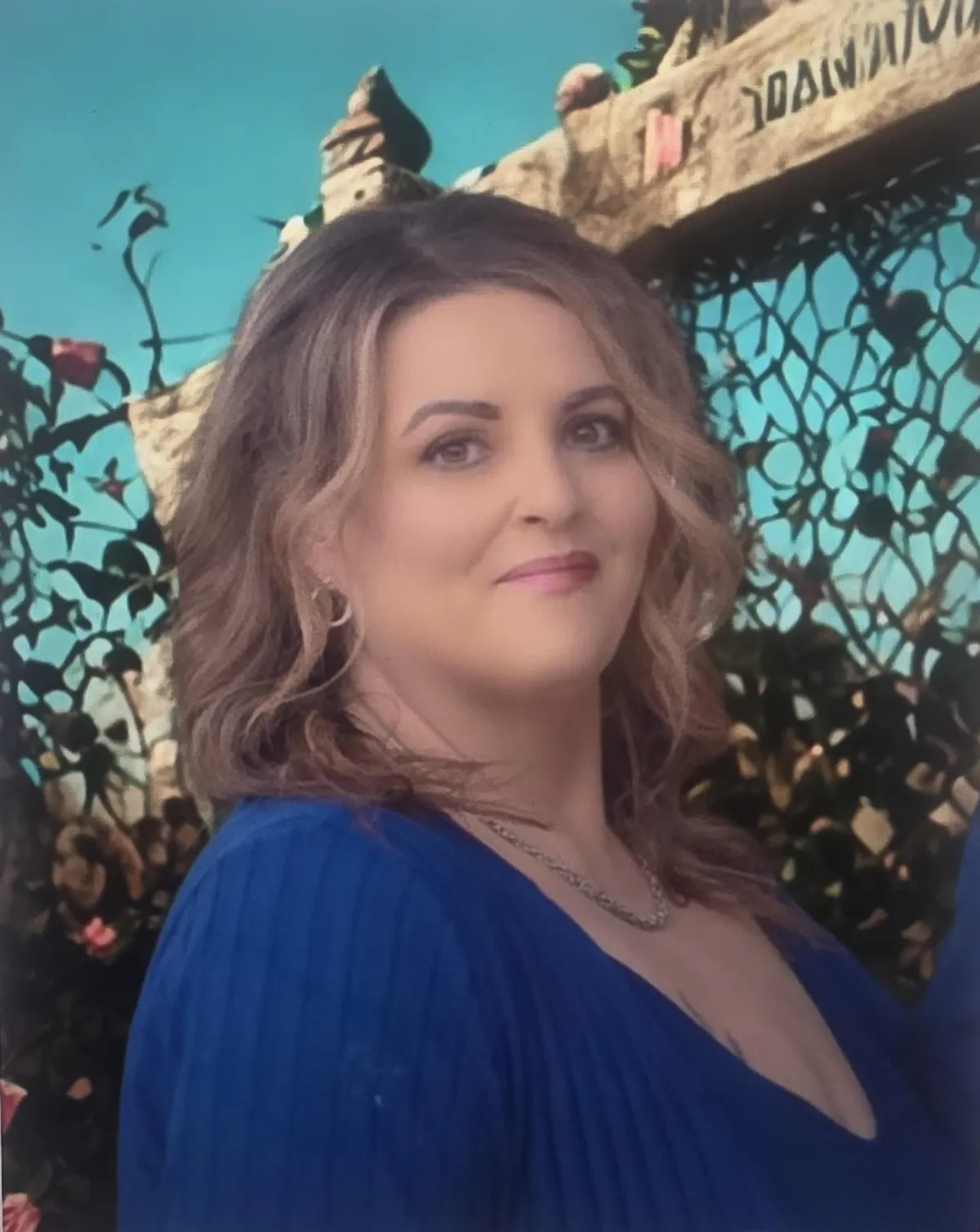
Claire T - Columbus,
Ohio
"I didn’t realize how much of my life was still being controlled by my trauma until I started working with Caroline. From the very first session, I felt something shift. She held space for me in a way no one ever has. She didn’t try to ‘fix’ me she helped me find me. The Life Beyond Trauma Method gave me tools, language, and strength to finally understand what I’dbeen
carrying and how to let it go. I feel grounded. I feel powerful. And for the first time in years, I feel free. This work saved my life and brought me back to it.

Let's Get Started...
If this feels familiar to you, you're in the right place.
You’re committed to your career and family, always giving your best to everything you do. But beneath it all, the pain, anxiety, and overwhelm never let up.
You've been searching for a way to navigate it all without turning to medications that numb your feelings or adding even more to your already full plate.But no matter how hard you try, you’re stuck…You’ve probably heard things like, “Just manage your stress better,” or “You’re strong, you’ll get through this,” and been given prescriptions or a few days off work to “recharge”.
You’ve tried everything—maybe some things helped, but nothing has touched the deep, constant hum of pain and anxiety that’s been with you for so long.
When trauma is embedded in your nervous system, surface-level fixes just can’t reach it. Not because you’re doing them wrong, but because they weren’t designed for this. You feel like you’re running on autopilot, but deep down, you know you can’t keep up this level of survival much longer. You maintain a successful career, keep your family going, and show up for everyone else—but you can’t remember the last time you truly felt okay.
You’re not alone. And you’re not broken. You’ve just been surviving for a really long time.
You want your life back. You want to feel like yourself again—where you have enough energy to enjoy the things you used to love. You want to have fun days out with your family, feel connected with your partner again, and finally make time for yourself.
If this sounds like you, you’re in the right place.This is your moment to step into the life you truly deserve, and I’m here to walk beside you every step of the way. I’ll meet you exactly where you are, offering the support you need to reclaim your strength and heal for good.
True healing isn’t about becoming someone else—it’s about rediscovering and embracing the powerful, whole person you’ve always been - it’s about coming home to yourself.
So, let’s take that first step together.
You are driven, resilient, and high-achieving - a woman who has poured herself into building a successful career or business, often becoming the go-to leader, the problem-solver, or the support system for others. On the outside, you appear confident and composed, someone who “has it all together.” But beneath that strength lies a deep, persistent exhaustion.
You are a trauma survivor - whether the trauma was from childhood, relationships, loss, or other life-altering events, you've learned how to survive, push through, and “keep going” no matter what. Your strength helped you climb the ladder and succeed in business, but it came at a cost.
Now, you find yourself:
Overwhelmed by constant pressure, never feeling like you can fully relax or let your guard down.
Anxious even when things are going well, as if waiting for the next crisis to hit.
Experiencing chronic pain or physical tension, your body carrying the weight of years of unresolved trauma and stress.
Disconnected from yourself, unsure of what you even need because you're so used to being in “survival mode.”
Struggling to be present with
your family or loved ones, feeling guilt for not having more time or energy to give.
Craving peace, but unsure how to slow down without everything falling apart.
You have tried therapy, yoga, self-help books, or quick-fix solutions, but nothing seems to reach the core of what you're feeling. You're successful—but you're not free. Not yet.
Deep down, you know there has to be more to life than just pushing through. You want to feel safe in your own body, connected to yourself and to the people you love. You want to stop surviving and start living.
If you are experiencing any or all of these symptoms, and you are looking to heal from your past once and for all, you are in the right place.
"I didn’t realize how much of my life was still being controlled by my trauma until I started working with Caroline. From the very first session, I felt something shift. She held space for me in a way no one ever has. She didn’t try to ‘fix’ me—she helped me find me. The Life Beyond Trauma Method gave me tools, language, and strength to finally understand what I’d been carrying and how to let it go. I feel grounded. I feel powerful. And for the first time in years, I feel free. This work saved my life—and brought me back to it.
- Claire T - Columbus, Ohio
Free Resources
Guidebook
Your nervous system has been working overtime to keep you safe, but now it’s time to gently guide it toward healing. I’ve created a free guide called Immediate Relief for Women who are Trauma Survivors and Struggle with Anxiety, Overwhelm and Chronic Pain filled with simple, trauma-informed tools and insights to help you feel more grounded, calm, and in control, even on the hard days. It’s a beautiful first step toward understanding your triggers and learning how to support yourself in a deeper, more compassionate way. Download it now and start feeling more like you again — one breath at a time.
FaCEBOOK GROUP
If you’re a high-achieving woman who’s tired of carrying it all - the anxiety, the overwhelm, the chronic pain - this space was made for you.
Inside this trauma recovery community, EmpowerHER: Overcoming Trauma, Finding Balance, we’re rewriting the story of what healing can look like. It's not about fixing you (you’re not broken). It’s about coming home to yourself — gently, safely, and in the company of other women who
get it.
Expect support, nervous system tools, honest conversations, and a whole lot of compassion.
Masterclass
Sign up for Life Beyond Trauma Masterclass: The #1 Way to Calm Chronic Pain, Anxiety and Overwhelm Even When Nothing Else Has Worked.
Our free masterclass is a safe, welcoming space where you’ll learn why trauma shows up as anxiety, overwhelm, and chronic pain — and how true healing begins in the nervous system. You’ll get a clear understanding of our trauma recovery program, the science behind it, and how it’s helped high-performing women just like you finally feel peace, presence, and power again. If you're ready to stop surviving and start deeply healing — this is your invitation. Join us. Your next chapter begins here.
Learn Something New
7 Stages of Trauma Healing: A Trauma-Informed Guide
7 Stages of Trauma Healing: What Recovery Really Looks Like
One week, you feel like you're finally making progress.
You're sleeping a little better. You don't feel quite so overwhelmed. For the first time in months, you think, "Maybe I'm actually healing."
Then something small happens.
A difficult conversation. A stressful week at work. An unexpected memory. Suddenly you're exhausted again, your shoulders are tense, and you're wondering if you've gone right back to the beginning.
If that sounds familiar, you're not alone.
Many people search for the 7 stages of trauma healing because they want one simple answer to a complicated question: "Is this normal?"
The reassuring news is that it often is.
Healing rarely follows a straight line. Most people move forwards, pause, revisit old feelings, and then move forwards again. That's not failure it's how the nervous system learns.
What Are the 7 Stages of Trauma Healing?
The 7 stages of trauma healing describe common emotional, physical, and psychological phases people may experience as they recover from trauma. While healing isn't linear and different therapeutic approaches describe it differently, these stages provide a helpful framework for understanding what recovery can feel like.
Think of them as a map.
Not a rulebook.
Everyone's experience is different, but recognising these stages can help you understand why healing sometimes feels confusing, exhausting, and surprisingly hopeful all at the same time.
Stage
What It Often Feels Like
1. Survival
Getting through each day without feeling safe.
2. Awareness
Realising your symptoms may be linked to trauma.
3. Safety
Learning that your body can begin to relax again.
4. Feeling
Long-held emotions begin surfacing.
5. Processing
Making sense of your experiences with support.
6. Reconnection
Rediscovering yourself beyond survival.
7. Integration
Living with greater flexibility, calm, and resilience.
The important thing to remember is this:
You don't complete one stage and permanently move on.
Some days you'll feel like Stage 6.
The next week you might recognise yourself in Stage 2 again.
That's completely normal.
Stage 1: Survival
Every healing story begins with survival.
When something overwhelming happens or when stress continues for months or years the nervous system's priority isn't happiness.
It's protection.
That protection might look like fight, flight, or freeze.
For many high-achieving women, it looks much quieter.
You keep working.
You keep looking after everyone else.
You meet deadlines, smile through meetings, and somehow keep everything moving while feeling completely exhausted inside.
The woman answering emails at 11pm because switching off feels more uncomfortable than staying busy knows this feeling.
This is often called functional freeze.
You're functioning.
But your body is running almost entirely on survival.
At this stage, rest often feels impossible because your nervous system has learned that staying alert is safer than slowing down.
Stage 2: Awareness
Awareness is the moment things begin making sense.
Not because life suddenly gets easier.
Because you stop assuming you're the problem.
Maybe you read an article about trauma.
Maybe a therapist explains how the nervous system works.
Or maybe someone says a sentence that changes everything:
"Your body isn't working against you. It's trying to protect you."
That simple idea can bring enormous relief.
The woman who spent years believing she was "bad at coping" suddenly realises her reactions aren't personal failures.
They're adaptations.
Awareness often brings mixed emotions.
Relief because you finally have answers.
Grief because you realise how long you've been carrying this alone.
Both can exist together.
And both are part of healing.
Stage 3: Safety
This is the stage people often underestimate.
Healing doesn't begin when you understand trauma.
It begins when your nervous system starts experiencing safety.
That's an important difference.
You can't force your body to relax by telling it everything is okay.
Safety has to be experienced.
Sometimes that's through a trusted therapist.
Sometimes it's a healthy relationship.
Sometimes it's simply learning that saying "no" doesn't automatically lead to rejection.
The woman who feels guilty sitting down with a cup of tea before finishing every household job understands how unfamiliar safety can feel.
Her body has learned that rest equals risk.
Healing gently teaches it something different.
Little by little.
Your nervous system starts collecting new evidence.
"I can slow down."
"I can ask for help."
"I don't have to be on guard all the time."
Those small moments matter far more than they seem.
Stage 4: Feeling
This stage catches many people by surprise.
Just when life seems calmer, emotions begin appearing that you thought had disappeared years ago.
Sadness.
Anger.
Fear.
Even joy.
Many people assume this means they're getting worse.
Usually, it means the opposite.
Imagine trying to hold a beach ball underwater.
The moment you stop pushing, it rises.
Emotions often work the same way.
When you've spent years staying busy, looking after other people, or pushing difficult feelings aside, your body doesn't forget them.
It simply waits until there's enough safety to let them surface.
The woman who suddenly cries while driving home from work after hearing an old song isn't "falling apart."
Her nervous system may finally believe it doesn't have to hold everything in anymore.
That can feel overwhelming.
It can also be one of the clearest signs that healing has begun.
Stage 5: Processing
Understanding your trauma is an important step.
Processing it is something different.
This is where healing moves beyond knowing why you react the way you do and begins changing how your nervous system responds.
Many women reach this stage after reading books, listening to podcasts, or spending years trying to "figure themselves out."
They understand their past.
Yet their body still feels tense.
Their sleep is still broken.
Their shoulders still ache after an ordinary workday.
That can be incredibly frustrating.
The missing piece is that trauma isn't stored only as a story in your mind.
It's also held in patterns throughout the nervous system.
Processing often happens through trauma-informed therapy, somatic work, safe relationships, or gradually learning to notice what your body is communicating instead of ignoring it.
The woman who automatically says, "I'm fine," before checking in with herself slowly begins asking a different question:
"What do I actually need right now?"
That small shift changes everything.
Healing isn't about analysing every memory.
It's about helping your body realise the danger is no longer happening today.
Stage 6: Reconnection
Survival takes up a lot of space.
So much space that many women forget who they are without it.
Reconnection is where life begins to feel bigger than simply getting through the day.
You start laughing without feeling guilty.
You make plans because you're excited—not because you feel obligated.
You notice the sunshine during your morning walk instead of mentally rehearsing tomorrow's meeting.
The woman who leaves work on time and doesn't spend the entire evening checking emails is experiencing something much deeper than better time management.
She's experiencing safety.
This stage is about reconnecting with yourself.
Your body.
Your relationships.
Your creativity.
Your confidence.
Your ability to experience joy without immediately waiting for something to go wrong.
Those moments might seem ordinary.
They're not.
They're signs your nervous system is learning that life can be lived, not just survived.
Stage 7: Integration
Many people imagine healing as reaching a finish line.
One day the anxiety disappears.
The memories stop hurting.
Life becomes perfect.
Real healing looks different.
Integration means trauma is no longer in charge.
The past still exists.
Certain experiences may still feel difficult.
But they stop controlling your everyday life.
The woman who once needed an entire weekend to recover after one stressful meeting now notices she feels calm again after an evening walk.
That's progress.
Your nervous system becomes more flexible.
You recover more quickly.
You trust yourself more.
Healing doesn't erase your story.
It allows your story to stop writing every chapter that comes next.
Why Trauma Healing Doesn't Happen in a Straight Line
Many people experience recognisable phases during trauma recovery, but healing rarely follows a straight line. It is common to revisit earlier stages during stressful periods without losing progress.
This is one of the biggest misconceptions about healing.
People expect constant improvement.
Real recovery doesn't work like that.
You may feel calm for several months before a stressful life event wakes up old patterns.
That doesn't mean you've gone backwards.
It means your nervous system is responding with strategies it learned long ago.
Think about recovering from a physical injury.
Some days you feel strong.
Other days you feel stiff again.
You wouldn't assume the injury had returned.
Trauma healing works much the same way.
Progress is measured over months.
Not bad days.
How Do You Know You're Healing?
Healing often arrives so quietly that you almost miss it.
You recover more quickly after stressful conversations.
You sleep through the night a little more often.
Your jaw isn't clenched every afternoon.
You stop apologising for things that aren't your responsibility.
You notice moments of genuine calm.
The woman drinking her morning coffee without scrolling through work emails is healing.
The woman who finally says "no" without spending three days feeling guilty is healing.
The woman who no longer feels responsible for fixing everyone else's emotions is healing too.
These are some of the most meaningful signs of trauma healing.
Not dramatic breakthroughs.
Quiet changes that slowly become your new normal.
What Helps the Nervous System Heal?
Healing doesn't happen because you become better at coping.
It happens because your nervous system repeatedly experiences safety.
That might include:
Trauma-informed therapy
Somatic therapy
Gentle movement
Consistent sleep
Healthy boundaries
Safe relationships
Time in nature
Self-compassion
There isn't one perfect morning routine.
There isn't one breathing exercise that works for everyone.
Healing is built through small, repeated experiences that teach the body:
"I'm safe now."
Consistency matters far more than perfection.
Frequently Asked Questions
What are the 7 stages of trauma healing?
The 7 stages of trauma healing describe common emotional and nervous system experiences people often move through during recovery. They are best understood as a flexible framework rather than a strict sequence, helping people make sense of healing without suggesting everyone follows the same path.
Does trauma healing happen in stages?
Many people experience recognisable phases during healing, but recovery is rarely linear. It's completely normal to revisit earlier stages during periods of stress without losing the progress you've already made.
How long does trauma healing take?
There is no universal timeline. Healing depends on many factors, including the type of trauma, your support system, your nervous system, and the approach you take. For most people, recovery is measured in months or years rather than weeks.
Why do I feel worse before I feel better?
As your nervous system begins feeling safer, emotions and physical sensations that were previously pushed aside often become more noticeable. This doesn't usually mean healing is failing—it often means your body finally has enough safety to begin processing what it couldn't before.
In short:
The 7 stages of trauma healing are not a checklist to complete or a race to win. They are a helpful way of understanding why recovery can feel hopeful one week and difficult the next, while reminding you that healing is rarely linear.
Your nervous system isn't trying to make life harder.
It's trying to protect you using patterns it learned a long time ago.
The good news is that those patterns can change.
One safe experience at a time.
One gentle step at a time.
One moment of self-compassion at a time.
You Don't Have to Figure This Out Alone
If these stages feel familiar, remember this: your symptoms make sense, your body isn't working against you, and healing doesn't happen because you become better at pushing through.
It happens when your nervous system experiences enough safety to begin letting go of survival.
The Life Beyond Trauma Method is designed to help high-achieving women understand their nervous system, reconnect with their bodies, and move beyond survival mode with compassionate, trauma-informed support.


About The Life Beyond Trauma Method
We support high achieving women who are trauma survivors struggling with anxiety, overwhelm and chronic pain so they can find new meaning in their life and reclaim their energy. Our focus is on deep, sustainable healing trauma in the nervous system, moving you out of survival and into a fulfilling life.
About The Life Beyond Trauma Method
We support high achieving women who are trauma survivors struggling with anxiety, overwhelm and chronic pain so they can find new meaning in their life and reclaim their energy. Our focus is on deep, sustainable healing trauma in the nervous system, moving you out of survival and into a fulfilling life.
Join the Community
We'd love to have you. EmpowerHER: Overcoming Trauma, Finding Balance is a non-judgmental, supportive community where you can find helpful resources, free training and build supportive relationships with other like-minded women.

Join the Community
We'd love to have you. Lorem ipsum dolor sit amet, consectetur adipisicing elit. Autem dolore, alias, numquam enim ab voluptate id quam harum ducimus cupiditate similique quisquam et deserunt, recusandae. here
© Life beyond trauma 2025. All rights reserved.