Welcome to Life Beyond Trauma
I help high-achieving women who are trauma survivors struggling with anxiety, overwhelm and chronic pain so they can find new meaning in their life and reclaim their energy.

Life Beyond Trauma: Reclaim Your Energy & Peace
I help high achieving women who are trauma survivors struggling with anxiety, overwhelm, and chronic pain so they can find new meaning in their life and reclaim their energy.
Life Beyond Trauma: Reclaim Your Energy & Peace
I help high achieving women who are trauma survivors struggling with anxiety, overwhelm and chronic pain so they can find new meaning in their life and reclaim their energy.
Life Beyond Trauma: Reclaim Your Energy & Peace
I help high-achieving women who are trauma survivors struggling with anxiety, overwhelm, and chronic pain so they can find new meaning in their life and reclaim their energy.
Are You a High-Achieving Woman
Trapped in Survival Mode?
If this feels familiar to you, you're in the right place.
You’re committed to your career and family, always giving your best to everything you do. But beneath it all, the chronic pain, anxiety, and overwhelm never let up.
You've been searching for a way to navigate it all without turning to medications that numb your feelings or adding even more to your already full plate. But no matter how hard you try, you’re stuck… You’ve probably heard things like, “Just manage your stress better,” or “You’re strong, you’ll get through this,” and been given prescriptions or a few days off work to “recharge.”
You’ve tried everything maybe some things helped, but nothing has touched the deep, constant hum of pain and anxiety that’s been with you for so long.
Why Surface-Level Fixes Don't Work:
Understanding Trauma in Your Nervous System
When trauma is embedded in your nervous system, surface level fixes just can’t reach it. Not because you’re doing them wrong, but because they weren’t designed for this. You feel like you’re running on autopilot, but deep down, you know you can’t keep up this level of survival much longer. You maintain a successful career, keep your family going, and show up for everyone else but you can’t remember the last time you truly felt okay.
You’re not alone. And you’re not broken. You’ve just been surviving for a really long time. You want your life beyond trauma.
You want your life back. You want to feel like yourself again where you have enough energy to enjoy the things you used to love. You want to have fun days out with your family, feel connected with your partner again, and finally make time for yourself.
If this sounds like you, you’re in the right place for trauma healing for high-achieving women. This is your moment to step into the life you truly deserve, and I’m here to walk beside you every step of the way. I’ll meet you exactly where you are, offering the support you need to reclaim your strength and heal for good.
True trauma support isn’t about becoming someone else it’s about rediscovering and embracing the powerful, whole person you’ve always been it’s about coming home to yourself.
So, let’s take that first step together.
The True Cost of Pushing Through
You are driven, resilient, and high achieving a woman who has poured herself into building a successful career or business, often becoming the go to leader, the problem solver, or the support system for others. On the outside, you appear confident and composed, someone who “has it all together.” But beneath that strength lies a deep, persistent exhaustion.
You are a trauma survivor whether the trauma was from childhood, relationships, loss, or other life-altering events, you've learned how to survive, push through, and “keep going” no matter what. Your strength helped you climb the ladder and succeed in business, but it came at a cost.
Now, you find yourself:
Overwhelmed by constant pressure, never feeling like you can fully relax or let your guard down.
Anxious even when things are going well, as if waiting for the next crisis to hit.
Experiencing chronic pain or physical tension, your body carrying the weight of years of unresolved trauma and stress.
Disconnected from yourself, unsure of what you even need because you're so used to being in “survival mode.”
Struggling to be present with your family or loved ones, feeling guilt for not having more time or energy to give.
Craving peace, but unsure how to slow down without everything falling apart.
You have tried therapy, yoga, self help books, or quick fix solutions, but nothing seems to reach the core of what you're feeling. You're successful but you're not free. Not yet. Deep down, you know there has to be more to life beyond trauma than just pushing through. You want to feel safe in your own body, connected to yourself and to the people you love. You want to stop surviving and start living.
If you are experiencing any or all of these symptoms, and you are looking to truly heal from your past once and for all, you are in the right place.
Hear From Other Trauma Survivors
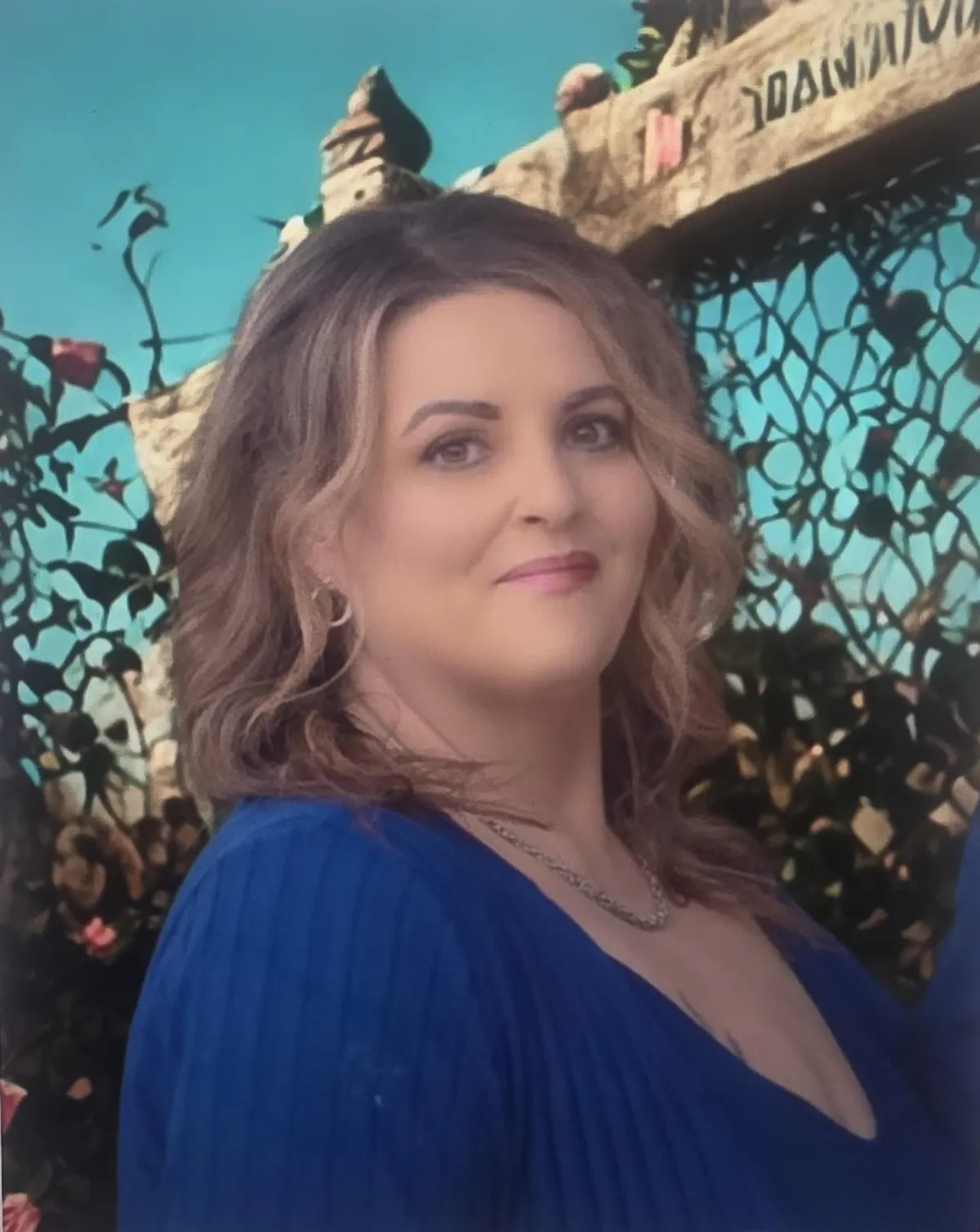
Claire T - Columbus,
Ohio
"I didn’t realize how much of my life was still being controlled by my trauma until I started working with Caroline. From the very first session, I felt something shift. She held space for me in a way no one ever has. She didn’t try to ‘fix’ me she helped me find me. The Life Beyond Trauma Method gave me tools, language, and strength to finally understand what I’dbeen
carrying and how to let it go. I feel grounded. I feel powerful. And for the first time in years, I feel free. This work saved my life and brought me back to it.

Let's Get Started...
If this feels familiar to you, you're in the right place.
You’re committed to your career and family, always giving your best to everything you do. But beneath it all, the pain, anxiety, and overwhelm never let up.
You've been searching for a way to navigate it all without turning to medications that numb your feelings or adding even more to your already full plate.But no matter how hard you try, you’re stuck…You’ve probably heard things like, “Just manage your stress better,” or “You’re strong, you’ll get through this,” and been given prescriptions or a few days off work to “recharge”.
You’ve tried everything—maybe some things helped, but nothing has touched the deep, constant hum of pain and anxiety that’s been with you for so long.
When trauma is embedded in your nervous system, surface-level fixes just can’t reach it. Not because you’re doing them wrong, but because they weren’t designed for this. You feel like you’re running on autopilot, but deep down, you know you can’t keep up this level of survival much longer. You maintain a successful career, keep your family going, and show up for everyone else—but you can’t remember the last time you truly felt okay.
You’re not alone. And you’re not broken. You’ve just been surviving for a really long time.
You want your life back. You want to feel like yourself again—where you have enough energy to enjoy the things you used to love. You want to have fun days out with your family, feel connected with your partner again, and finally make time for yourself.
If this sounds like you, you’re in the right place.This is your moment to step into the life you truly deserve, and I’m here to walk beside you every step of the way. I’ll meet you exactly where you are, offering the support you need to reclaim your strength and heal for good.
True healing isn’t about becoming someone else—it’s about rediscovering and embracing the powerful, whole person you’ve always been - it’s about coming home to yourself.
So, let’s take that first step together.
You are driven, resilient, and high-achieving - a woman who has poured herself into building a successful career or business, often becoming the go-to leader, the problem-solver, or the support system for others. On the outside, you appear confident and composed, someone who “has it all together.” But beneath that strength lies a deep, persistent exhaustion.
You are a trauma survivor - whether the trauma was from childhood, relationships, loss, or other life-altering events, you've learned how to survive, push through, and “keep going” no matter what. Your strength helped you climb the ladder and succeed in business, but it came at a cost.
Now, you find yourself:
Overwhelmed by constant pressure, never feeling like you can fully relax or let your guard down.
Anxious even when things are going well, as if waiting for the next crisis to hit.
Experiencing chronic pain or physical tension, your body carrying the weight of years of unresolved trauma and stress.
Disconnected from yourself, unsure of what you even need because you're so used to being in “survival mode.”
Struggling to be present with
your family or loved ones, feeling guilt for not having more time or energy to give.
Craving peace, but unsure how to slow down without everything falling apart.
You have tried therapy, yoga, self-help books, or quick-fix solutions, but nothing seems to reach the core of what you're feeling. You're successful—but you're not free. Not yet.
Deep down, you know there has to be more to life than just pushing through. You want to feel safe in your own body, connected to yourself and to the people you love. You want to stop surviving and start living.
If you are experiencing any or all of these symptoms, and you are looking to heal from your past once and for all, you are in the right place.
"I didn’t realize how much of my life was still being controlled by my trauma until I started working with Caroline. From the very first session, I felt something shift. She held space for me in a way no one ever has. She didn’t try to ‘fix’ me—she helped me find me. The Life Beyond Trauma Method gave me tools, language, and strength to finally understand what I’d been carrying and how to let it go. I feel grounded. I feel powerful. And for the first time in years, I feel free. This work saved my life—and brought me back to it.
- Claire T - Columbus, Ohio
Free Resources
Guidebook
Your nervous system has been working overtime to keep you safe, but now it’s time to gently guide it toward healing. I’ve created a free guide called Immediate Relief for Women who are Trauma Survivors and Struggle with Anxiety, Overwhelm and Chronic Pain filled with simple, trauma-informed tools and insights to help you feel more grounded, calm, and in control, even on the hard days. It’s a beautiful first step toward understanding your triggers and learning how to support yourself in a deeper, more compassionate way. Download it now and start feeling more like you again — one breath at a time.
FaCEBOOK GROUP
If you’re a high-achieving woman who’s tired of carrying it all - the anxiety, the overwhelm, the chronic pain - this space was made for you.
Inside this trauma recovery community, EmpowerHER: Overcoming Trauma, Finding Balance, we’re rewriting the story of what healing can look like. It's not about fixing you (you’re not broken). It’s about coming home to yourself — gently, safely, and in the company of other women who
get it.
Expect support, nervous system tools, honest conversations, and a whole lot of compassion.
Masterclass
Sign up for Life Beyond Trauma Masterclass: The #1 Way to Calm Chronic Pain, Anxiety and Overwhelm Even When Nothing Else Has Worked.
Our free masterclass is a safe, welcoming space where you’ll learn why trauma shows up as anxiety, overwhelm, and chronic pain — and how true healing begins in the nervous system. You’ll get a clear understanding of our trauma recovery program, the science behind it, and how it’s helped high-performing women just like you finally feel peace, presence, and power again. If you're ready to stop surviving and start deeply healing — this is your invitation. Join us. Your next chapter begins here.
Learn Something New
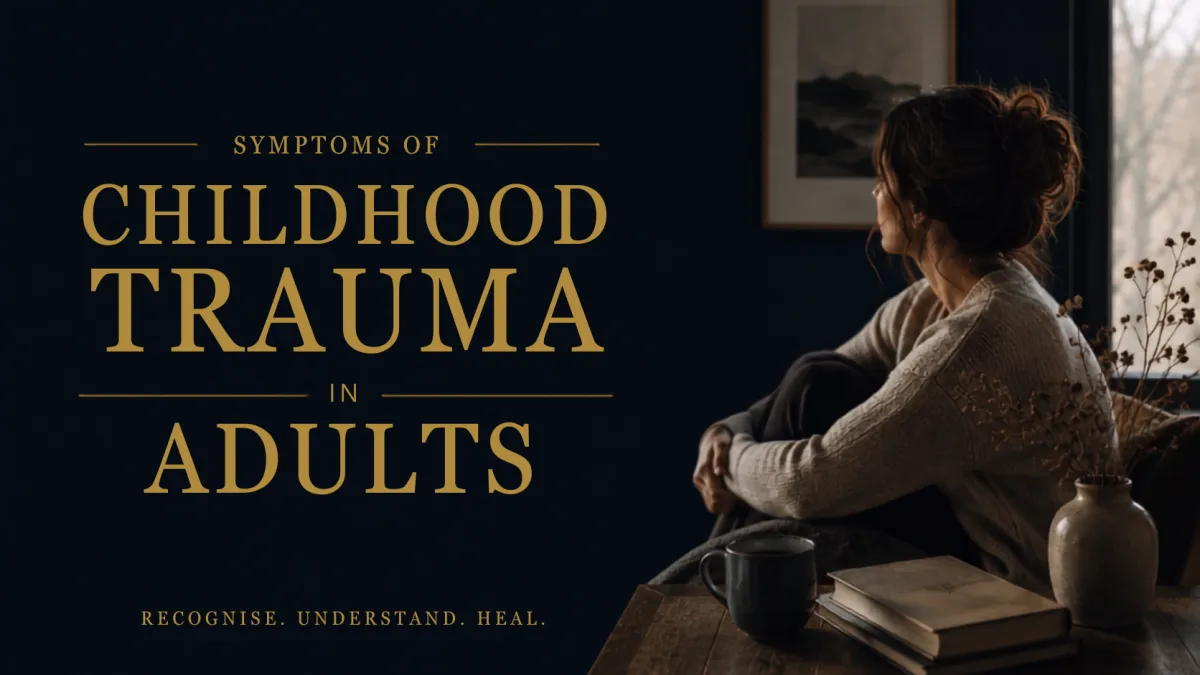
Symptoms of Childhood Trauma in Adults: 12 Signs to Recognise
Symptoms of Childhood Trauma in Adults: 12 Signs You Shouldn't Ignore
You apologise before you've done anything wrong.
You find it almost impossible to relax, even when there's nothing urgent waiting for you.
Someone you care about seems a little quieter than usual. Within minutes, you're replaying your last conversation, wondering whether you said something wrong.
From the outside, life looks successful. You have a career. Responsibilities. People rely on you. Yet underneath it all is a quiet feeling that you always have to stay alert, stay useful, or stay one step ahead.
If that sounds familiar, you may be experiencing Symptoms of Childhood Trauma in Adults without realising it.
When people hear the phrase childhood trauma, they often think of obvious abuse or one catastrophic event. The reality is often far more subtle. Growing up with emotional neglect, constant criticism, unpredictable caregivers, bullying, or feeling responsible for everyone else's emotions can shape the way your nervous system responds for years afterwards.
The events may be over.
Your body doesn't always know that.
What Are the Symptoms of Childhood Trauma in Adults?
Symptoms of Childhood Trauma in Adults are the emotional, physical, and behavioural patterns that continue long after difficult childhood experiences have ended. They may include hypervigilance, anxiety, people-pleasing, emotional numbness, difficulty trusting others, chronic exhaustion, and feeling constantly on edge because the nervous system is still responding as though danger is present.
Not everyone who experiences childhood trauma develops the same patterns.
Some people become highly anxious.
Others become incredibly successful.
Many become both.
That's one reason these signs are so easy to miss. They often look like personality traits rather than survival responses.
Trauma Doesn't Always Look Like Trauma
One of the biggest misunderstandings about trauma in adults is that you'll always remember exactly what caused it.
That's simply not true.
The woman reading this at 10:45pm, answering one last work email because relaxing somehow feels uncomfortable, probably doesn't think of herself as carrying trauma.
She thinks she's being responsible.
Sometimes the nervous system tells a different story.
Why Can Childhood Trauma Affect You Long After Childhood?
Your brain doesn't only store memories.
It stores patterns.
If you spent years learning that home was unpredictable, that mistakes weren't safe, or that love had to be earned, your nervous system adapted.
That adaptation wasn't a weakness.
It was intelligent.
Children don't choose their environment. They choose the best survival strategy available to them, and those strategies often stay long after they're needed.
The child who learned to stay quiet to avoid conflict may become the adult who struggles to speak up in meetings.
The girl who became everyone's peacekeeper may grow into the woman who feels responsible for fixing every disagreement in her relationships.
The nervous system doesn't ask whether you're eight or thirty-eight.
It asks something much simpler.
"Am I safe?"
If the answer was uncertain for long enough, your body may continue preparing for danger even when your life has become calmer.
This doesn't necessarily mean someone has PTSD.
Many people experience the lasting effects of trauma in adults without meeting the criteria for a clinical diagnosis. In my view, this is why understanding the nervous system matters so much it explains behaviours that people often mistake for personal flaws.
12 Symptoms of Childhood Trauma in Adults
These signs aren't here to diagnose you.
They're here to help you recognise yourself with curiosity instead of criticism.
1. Hypervigilance
You notice everything.
A change in someone's tone.
A delayed reply.
A colleague looking unusually quiet during a meeting.
Your brain immediately starts trying to work out what went wrong.
Hypervigilance develops when the nervous system learns that spotting danger early increases the chances of staying safe.
2. Constant Anxiety
Not the kind that comes before an important presentation.
The kind that never completely leaves.
The woman lying awake at 2:13am mentally rehearsing tomorrow's conversations knows this feeling.
Her body isn't choosing anxiety.
It's struggling to believe the danger has passed.
3. Emotional Numbness
Some people cry at the smallest things.
Others struggle to feel much at all.
You might be sitting around the dinner table with people you love and still feel strangely disconnected from the moment.
Emotional numbness isn't a lack of caring.
For many people, it's the nervous system protecting them from emotions that once felt too overwhelming to carry.
4. People-Pleasing
You say yes before you've even checked your diary.
You apologise when someone bumps into you.
You spend more time worrying about disappointing other people than asking yourself what you actually need.
The woman who agrees to another favour while quietly wondering when she'll get time to herself knows this pattern.
People-pleasing often begins as protection, not personality.
5. Perfectionism
Nothing feels finished.
Nothing feels good enough.
You receive praise, but your mind immediately focuses on the one thing you could have done better.
Perfectionism is often misunderstood as ambition.
I see it differently.
Very often, it's a nervous system trying to avoid criticism, rejection, or failure because those experiences once felt genuinely unsafe.
6. Difficulty Trusting Others
Even kind people can feel unpredictable.
Accepting help feels uncomfortable.
You expect disappointment before anyone has given you a reason to.
Trust isn't built by telling yourself to "be more open."
It's built through repeated experiences of safety, and that takes time.
7. Fear of Abandonment
A friend takes longer than usual to reply.
Your partner seems quieter after work.
Someone cancels plans because they're genuinely busy, yet your mind instantly jumps to, "Have I done something wrong?"
The woman checking her phone every five minutes after sending an important message knows this feeling.
Fear of abandonment isn't about being "needy." It's often rooted in early experiences where love, attention, or safety felt inconsistent. When relationships were unpredictable in childhood, the nervous system learns to stay alert for signs of rejection even when none are there.
8. Chronic Exhaustion
You wake up tired.
You push through the day because that's what you've always done.
By evening, you're completely drained, yet your mind refuses to slow down.
Living in survival mode is exhausting.
Even when you're sitting still, your nervous system may be scanning for problems, reading people's moods, or preparing for what could go wrong next. That constant background activity uses energy, which is why so many adults with childhood trauma feel exhausted despite doing "all the right things" to look after themselves.
9. Unexplained Aches and Pain
Your shoulders are always tight.
Your jaw aches before you've even had breakfast.
You get frequent headaches or digestive problems, but every test comes back normal.
These symptoms can have many different causes and should always be discussed with a healthcare professional if they persist.
At the same time, we shouldn't ignore the connection between the body and the nervous system. Chronic stress and trauma can influence muscle tension, pain sensitivity, sleep, and digestion. Recognising that connection often brings relief because people stop assuming their body is simply "failing" them.
10. Trouble Relaxing
You finally have an evening to yourself.
The washing is done.
Your inbox is empty.
Instead of enjoying the quiet, you reorganise a cupboard, check tomorrow's calendar, or scroll your phone without really looking at anything.
The woman sitting on the sofa with a cup of tea that's gone cold because she can't stop thinking about what still needs doing knows exactly what this feels like.
For many adults, rest feels uncomfortable because the nervous system has spent years associating safety with staying busy. Slowing down isn't the problem.
Feeling safe enough to slow down is.
11. Dissociation or Feeling Disconnected
Have you ever driven somewhere and realised you barely remember the journey?
Or sat in a conversation while feeling as though you were watching yourself from the outside?
Dissociation exists on a spectrum.
For some people, it feels like emotional numbness.
For others, it's a sense of moving through life on autopilot.
This isn't laziness or a lack of interest.
It's another way the nervous system protects itself when life has felt overwhelming for too long.
12. A Harsh Inner Critic
Nothing you do ever feels quite enough.
You achieve something you've worked incredibly hard for, yet within minutes your attention shifts to what you should have done better.
You speak to yourself in ways you'd never dream of speaking to someone you love.
That voice didn't appear overnight.
For many people, it began as someone else's criticism. Over time, it became internal, until it sounded like the truth.
It isn't.
One of the most powerful parts of healing is realising that your inner critic isn't your identity. It's a survival strategy that has simply stayed longer than it was needed.
Can Childhood Trauma Cause Physical Symptoms?
Yes. Childhood trauma can contribute to physical symptoms because the nervous system and body are closely connected. While symptoms such as headaches, fatigue, digestive issues, muscle tension, and chronic pain can have many causes, long-term stress responses may also play a role and should be explored alongside advice from a healthcare professional.
People often think trauma only affects emotions.
The body tells a different story.
The woman who wakes every morning with a clenched jaw.
The one who books regular massages because her shoulders never seem to relax.
The one who's tried three different mattresses, convinced the problem is the bed, when the tension has been living inside her body for years.
These experiences are real.
When the nervous system spends a long time preparing for danger, muscles stay tense, breathing becomes shallower, and stress hormones remain elevated. Over months or years, that can contribute to headaches, digestive issues, persistent fatigue, sleep problems, and chronic pain.
That doesn't mean every ache is caused by childhood trauma.
It does mean the body deserves to be part of the conversation.
If this section resonates with you, our articles on How Trauma Is Stored in the Body and Trauma and Chronic Pain explore this connection in more depth.
Can Childhood Trauma Be Healed?
Yes. Healing from childhood trauma is possible, but it rarely happens by simply trying to think differently. Recovery begins when the nervous system experiences enough safety to gradually let go of the survival patterns that once kept you protected.
This is one of the most encouraging things we know about the brain.
It can change.
So can the nervous system.
Healing doesn't erase the past.
It changes how your body responds to it.
Often, progress is quieter than people expect.
The woman who sleeps through the night for the first time in years.
The woman who says "no" without feeling guilty for the rest of the day.
The woman who notices she no longer scans every room the moment she walks in.
Those moments are easy to overlook.
They shouldn't be.
They're signs that the nervous system is beginning to believe the present is safer than the past.
Support can take many forms.
Trauma-informed therapy.
Somatic therapy.
Safe relationships.
Gentle nervous system regulation practices.
Self-compassion that's repeated often enough to become believable.
Healing isn't linear, and I think that's something more people need to hear. Taking a step backwards during a stressful season doesn't erase the progress you've already made.
If you'd like to explore this further, our article on the 7 Stages of Trauma Healing explains why recovery often feels like progress, pause, and progress again.
You can also learn more about the Life Beyond Trauma Method, which helps women understand their nervous system, reconnect with a sense of safety, and move beyond survival mode with compassion rather than pressure.
You Are Not Broken, Your Nervous System Learned to Survive
If you've recognised yourself in these signs, don't let your first response be self-blame.
Pause instead.
The behaviours that frustrate you today may once have helped you survive.
Hypervigilance kept you alert.
People-pleasing helped you avoid conflict.
Perfectionism protected you from criticism.
Emotional numbness stopped overwhelming feelings from becoming unbearable.
Those responses made sense then.
Your nervous system simply hasn't realised it no longer needs to work quite so hard.
In short:
Symptoms of Childhood Trauma in Adults often appear through everyday emotional, physical, and behavioural patterns rather than obvious memories. These responses don't mean you're broken they often reflect a nervous system that adapted to help you survive. With the right support, those patterns can soften, and your body can begin to experience safety again.
If this article felt uncomfortably familiar, you don't have to figure it all out on your own.
Continue exploring:
How Trauma Is Stored in the Body – Understand why trauma can show up through physical symptoms years later.
Functional Freeze Symptoms – Learn why so many high-achieving women feel exhausted even after rest.
How Do You Know If Trauma Is Unresolved? – Discover the emotional and behavioural signs that unresolved trauma may still be influencing your life.
Life Beyond Trauma Method – Explore a trauma-informed approach that helps you understand your nervous system, rebuild a sense of safety, and move beyond survival mode.
Healing doesn't begin because you become better at coping.
It begins when your nervous system no longer believes it has to protect you from a danger that has already passed.
One gentle step at a time.


About The Life Beyond Trauma Method
We support high achieving women who are trauma survivors struggling with anxiety, overwhelm and chronic pain so they can find new meaning in their life and reclaim their energy. Our focus is on deep, sustainable healing trauma in the nervous system, moving you out of survival and into a fulfilling life.
About The Life Beyond Trauma Method
We support high achieving women who are trauma survivors struggling with anxiety, overwhelm and chronic pain so they can find new meaning in their life and reclaim their energy. Our focus is on deep, sustainable healing trauma in the nervous system, moving you out of survival and into a fulfilling life.
Join the Community
We'd love to have you. EmpowerHER: Overcoming Trauma, Finding Balance is a non-judgmental, supportive community where you can find helpful resources, free training and build supportive relationships with other like-minded women.

Join the Community
We'd love to have you. Lorem ipsum dolor sit amet, consectetur adipisicing elit. Autem dolore, alias, numquam enim ab voluptate id quam harum ducimus cupiditate similique quisquam et deserunt, recusandae. here
© Life beyond trauma 2025. All rights reserved.