
Welcome to Life Beyond Trauma
I help high-achieving women who are trauma survivors struggling with anxiety, overwhelm and chronic pain so they can find new meaning in their life and reclaim their energy.

Life Beyond Trauma: Reclaim Your Energy & Peace
I help high achieving women who are trauma survivors struggling with anxiety, overwhelm, and chronic pain so they can find new meaning in their life and reclaim their energy.
Life Beyond Trauma: Reclaim Your Energy & Peace
I help high achieving women who are trauma survivors struggling with anxiety, overwhelm and chronic pain so they can find new meaning in their life and reclaim their energy.
Life Beyond Trauma: Reclaim Your Energy & Peace
I help high-achieving women who are trauma survivors struggling with anxiety, overwhelm, and chronic pain so they can find new meaning in their life and reclaim their energy.
Are You a High-Achieving Woman
Trapped in Survival Mode?
If this feels familiar to you, you're in the right place.
You’re committed to your career and family, always giving your best to everything you do. But beneath it all, the chronic pain, anxiety, and overwhelm never let up.
You've been searching for a way to navigate it all without turning to medications that numb your feelings or adding even more to your already full plate. But no matter how hard you try, you’re stuck… You’ve probably heard things like, “Just manage your stress better,” or “You’re strong, you’ll get through this,” and been given prescriptions or a few days off work to “recharge.”
You’ve tried everything maybe some things helped, but nothing has touched the deep, constant hum of pain and anxiety that’s been with you for so long.
Why Surface-Level Fixes Don't Work:
Understanding Trauma in Your Nervous System
When trauma is embedded in your nervous system, surface level fixes just can’t reach it. Not because you’re doing them wrong, but because they weren’t designed for this. You feel like you’re running on autopilot, but deep down, you know you can’t keep up this level of survival much longer. You maintain a successful career, keep your family going, and show up for everyone else but you can’t remember the last time you truly felt okay.
You’re not alone. And you’re not broken. You’ve just been surviving for a really long time. You want your life beyond trauma.
You want your life back. You want to feel like yourself again where you have enough energy to enjoy the things you used to love. You want to have fun days out with your family, feel connected with your partner again, and finally make time for yourself.
If this sounds like you, you’re in the right place for trauma healing for high-achieving women. This is your moment to step into the life you truly deserve, and I’m here to walk beside you every step of the way. I’ll meet you exactly where you are, offering the support you need to reclaim your strength and heal for good.
True trauma support isn’t about becoming someone else it’s about rediscovering and embracing the powerful, whole person you’ve always been it’s about coming home to yourself.
So, let’s take that first step together.
The True Cost of Pushing Through
You are driven, resilient, and high achieving a woman who has poured herself into building a successful career or business, often becoming the go to leader, the problem solver, or the support system for others. On the outside, you appear confident and composed, someone who “has it all together.” But beneath that strength lies a deep, persistent exhaustion.
You are a trauma survivor whether the trauma was from childhood, relationships, loss, or other life-altering events, you've learned how to survive, push through, and “keep going” no matter what. Your strength helped you climb the ladder and succeed in business, but it came at a cost.
Now, you find yourself:
Overwhelmed by constant pressure, never feeling like you can fully relax or let your guard down.
Anxious even when things are going well, as if waiting for the next crisis to hit.
Experiencing chronic pain or physical tension, your body carrying the weight of years of unresolved trauma and stress.
Disconnected from yourself, unsure of what you even need because you're so used to being in “survival mode.”
Struggling to be present with your family or loved ones, feeling guilt for not having more time or energy to give.
Craving peace, but unsure how to slow down without everything falling apart.
You have tried therapy, yoga, self help books, or quick fix solutions, but nothing seems to reach the core of what you're feeling. You're successful but you're not free. Not yet. Deep down, you know there has to be more to life beyond trauma than just pushing through. You want to feel safe in your own body, connected to yourself and to the people you love. You want to stop surviving and start living.
If you are experiencing any or all of these symptoms, and you are looking to truly heal from your past once and for all, you are in the right place.
Hear From Other Trauma Survivors
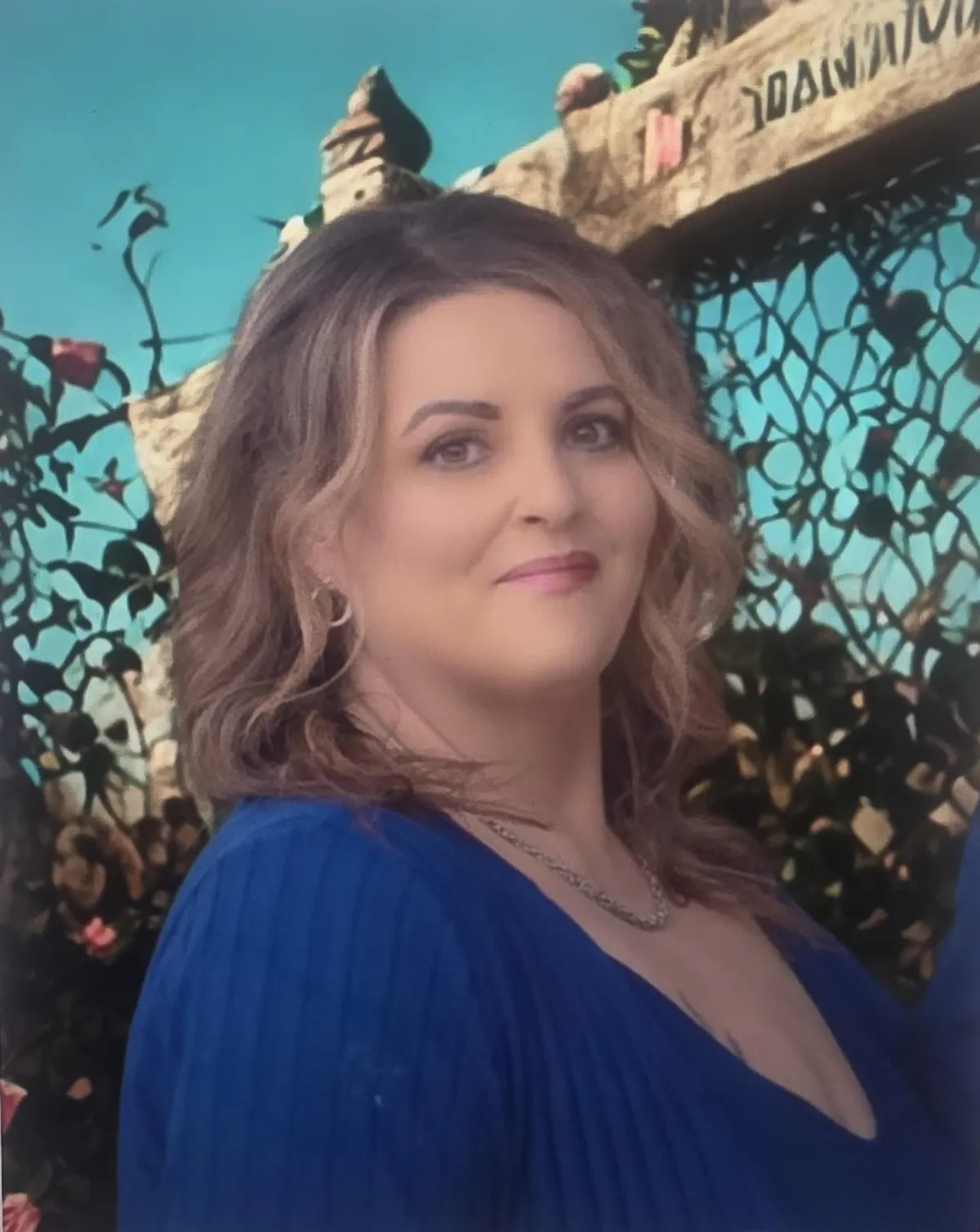
Claire T - Columbus,
Ohio
"I didn’t realize how much of my life was still being controlled by my trauma until I started working with Caroline. From the very first session, I felt something shift. She held space for me in a way no one ever has. She didn’t try to ‘fix’ me she helped me find me. The Life Beyond Trauma Method gave me tools, language, and strength to finally understand what I’dbeen
carrying and how to let it go. I feel grounded. I feel powerful. And for the first time in years, I feel free. This work saved my life and brought me back to it.

Let's Get Started...
If this feels familiar to you, you're in the right place.
You’re committed to your career and family, always giving your best to everything you do. But beneath it all, the pain, anxiety, and overwhelm never let up.
You've been searching for a way to navigate it all without turning to medications that numb your feelings or adding even more to your already full plate.But no matter how hard you try, you’re stuck…You’ve probably heard things like, “Just manage your stress better,” or “You’re strong, you’ll get through this,” and been given prescriptions or a few days off work to “recharge”.
You’ve tried everything—maybe some things helped, but nothing has touched the deep, constant hum of pain and anxiety that’s been with you for so long.
When trauma is embedded in your nervous system, surface-level fixes just can’t reach it. Not because you’re doing them wrong, but because they weren’t designed for this. You feel like you’re running on autopilot, but deep down, you know you can’t keep up this level of survival much longer. You maintain a successful career, keep your family going, and show up for everyone else—but you can’t remember the last time you truly felt okay.
You’re not alone. And you’re not broken. You’ve just been surviving for a really long time.
You want your life back. You want to feel like yourself again—where you have enough energy to enjoy the things you used to love. You want to have fun days out with your family, feel connected with your partner again, and finally make time for yourself.
If this sounds like you, you’re in the right place.This is your moment to step into the life you truly deserve, and I’m here to walk beside you every step of the way. I’ll meet you exactly where you are, offering the support you need to reclaim your strength and heal for good.
True healing isn’t about becoming someone else—it’s about rediscovering and embracing the powerful, whole person you’ve always been - it’s about coming home to yourself.
So, let’s take that first step together.
You are driven, resilient, and high-achieving - a woman who has poured herself into building a successful career or business, often becoming the go-to leader, the problem-solver, or the support system for others. On the outside, you appear confident and composed, someone who “has it all together.” But beneath that strength lies a deep, persistent exhaustion.
You are a trauma survivor - whether the trauma was from childhood, relationships, loss, or other life-altering events, you've learned how to survive, push through, and “keep going” no matter what. Your strength helped you climb the ladder and succeed in business, but it came at a cost.
Now, you find yourself:
Overwhelmed by constant pressure, never feeling like you can fully relax or let your guard down.
Anxious even when things are going well, as if waiting for the next crisis to hit.
Experiencing chronic pain or physical tension, your body carrying the weight of years of unresolved trauma and stress.
Disconnected from yourself, unsure of what you even need because you're so used to being in “survival mode.”
Struggling to be present with
your family or loved ones, feeling guilt for not having more time or energy to give.
Craving peace, but unsure how to slow down without everything falling apart.
You have tried therapy, yoga, self-help books, or quick-fix solutions, but nothing seems to reach the core of what you're feeling. You're successful—but you're not free. Not yet.
Deep down, you know there has to be more to life than just pushing through. You want to feel safe in your own body, connected to yourself and to the people you love. You want to stop surviving and start living.
If you are experiencing any or all of these symptoms, and you are looking to heal from your past once and for all, you are in the right place.
"I didn’t realize how much of my life was still being controlled by my trauma until I started working with Caroline. From the very first session, I felt something shift. She held space for me in a way no one ever has. She didn’t try to ‘fix’ me—she helped me find me. The Life Beyond Trauma Method gave me tools, language, and strength to finally understand what I’d been carrying and how to let it go. I feel grounded. I feel powerful. And for the first time in years, I feel free. This work saved my life—and brought me back to it.
- Claire T - Columbus, Ohio
Free Resources
Guidebook
Your nervous system has been working overtime to keep you safe, but now it’s time to gently guide it toward healing. I’ve created a free guide called Immediate Relief for Women who are Trauma Survivors and Struggle with Anxiety, Overwhelm and Chronic Pain filled with simple, trauma-informed tools and insights to help you feel more grounded, calm, and in control, even on the hard days. It’s a beautiful first step toward understanding your triggers and learning how to support yourself in a deeper, more compassionate way. Download it now and start feeling more like you again — one breath at a time.
FaCEBOOK GROUP
If you’re a high-achieving woman who’s tired of carrying it all - the anxiety, the overwhelm, the chronic pain - this space was made for you.
Inside this trauma recovery community, EmpowerHER: Overcoming Trauma, Finding Balance, we’re rewriting the story of what healing can look like. It's not about fixing you (you’re not broken). It’s about coming home to yourself — gently, safely, and in the company of other women who
get it.
Expect support, nervous system tools, honest conversations, and a whole lot of compassion.
Masterclass
Sign up for Life Beyond Trauma Masterclass: The #1 Way to Calm Chronic Pain, Anxiety and Overwhelm Even When Nothing Else Has Worked.
Our free masterclass is a safe, welcoming space where you’ll learn why trauma shows up as anxiety, overwhelm, and chronic pain — and how true healing begins in the nervous system. You’ll get a clear understanding of our trauma recovery program, the science behind it, and how it’s helped high-performing women just like you finally feel peace, presence, and power again. If you're ready to stop surviving and start deeply healing — this is your invitation. Join us. Your next chapter begins here.
Learn Something New

How Long Does It Take to Regulate Your Nervous System?
How Long Does It Take to Regulate Your Nervous System?
You can sleep for eight hours and still wake up exhausted.
You can have a quiet weekend and somehow feel more restless than you did during the working week. You sit down to relax, but your jaw is clenched, your shoulders are tight, and your mind is already planning tomorrow.
If you've been wondering how long it takes to regulate your nervous system, there's something worth knowing first: there isn't one universal timeline.
Your nervous system responds to what's happening around you and inside you. When stress is short-lived, the body can usually begin settling once the pressure passes. When stress has been present for months or years, that recovery can become much harder.
So no, the goal isn't to "fix" your nervous system overnight.
It's to help your body experience enough safety and recovery, often enough, that regulation becomes easier.
How Long Does It Take to Regulate Your Nervous System?
There is no fixed number of days or weeks needed to regulate your nervous system. Some people notice small changes within minutes or days when they use calming techniques such as slow breathing, while longer-standing stress patterns can take weeks, months, or longer to shift.
That difference matters.
If you've spent years living under pressure, expecting yourself to feel completely calm after three days of meditation is only going to make you feel as though you've failed.
You haven't.
The nervous system learns through repetition. A breathing exercise may help you settle in the moment, while consistent changes in sleep, stress levels, relationships, boundaries, movement and therapeutic support can help create a more lasting sense of regulation.
The woman who has been running on adrenaline since her children were young may need something very different from someone who has simply had a difficult month at work.
There is no race.
What Does a Dysregulated Nervous System Feel Like?
A dysregulated nervous system doesn't always look like panic.
Sometimes it looks like productivity.
You may feel constantly switched on, unable to relax, easily irritated, overwhelmed by small things, exhausted but unable to sleep, or disconnected from your emotions.
Physical signs can include muscle tension, headaches, digestive problems, changes in breathing, fatigue and disrupted sleep.
For a high-achieving woman, this can be particularly difficult to recognise.
You may still be meeting deadlines.
You may still be answering emails at 9pm, remembering everyone's birthdays and getting the children where they need to be.
From the outside, you're functioning.
Inside, you're running on empty.
That's why nervous system regulation isn't about becoming calm all the time. It's about having more flexibility in how your body responds to pressure and how easily you can return towards a settled state.
A stressful meeting might still make your heart race.
The difference is that you recover afterwards instead of carrying that activation for the rest of the day.
How Do You Know Your Nervous System Is Healing?
Healing doesn't necessarily feel like becoming completely calm.
Often, the first changes are surprisingly ordinary.
You notice that you don't react as quickly when someone sends a difficult email. You sleep a little more deeply. You catch yourself unclenching your jaw before it starts hurting.
You have a difficult conversation without spending the next six hours replaying it.
You can sit quietly without immediately reaching for your phone.
You recover from a stressful day more quickly.
Those changes count.
The woman who used to spend Sunday night worrying about Monday morning may suddenly notice she's watching a film without thinking about work. It might seem insignificant, but her body is learning that it can be present without constantly preparing for what's next.
Regulation is not the absence of stress.
It's the ability to move through stress and come back.
What Is the Quickest Way to Regulate Your Nervous System?
There isn't one technique that works instantly for everyone. For an immediate shift, slow, comfortable breathing is one practical option because breathing can influence the body's stress response and can be practised almost anywhere.
You don't need an elaborate routine.
Sit somewhere supported.
Let your shoulders drop if they want to.
Breathe gently without forcing the breath, allowing the exhale to feel comfortable and unhurried.
Even a few minutes can give you a moment to step out of whatever was happening and notice what your body is doing.
But here's the part people often miss.
A breathing exercise can help you feel calmer now.
It cannot, by itself, undo years of chronic stress.
If your nervous system is constantly responding to an overloaded schedule, an unsafe relationship, unresolved trauma or ongoing pressure, the bigger work is addressing what's keeping your body on alert.
Telling someone who has spent years feeling unsafe to "just breathe" isn't enough.
The technique can help.
The context matters too.
How Long Does It Take to Regulate Your Nervous System After Chronic Stress?
After prolonged stress, regulation can take longer because the problem isn't simply that you've had one stressful day. Your body may have been adapting to pressure repeatedly for months or years.
This is why "just take a weekend off" isn't always enough.
Imagine spending years running without realising how tired you are.
Then someone tells you to rest for an afternoon and wonders why you don't feel completely recovered.
Your body needs more than a break.
It needs repeated evidence that the pressure has changed.
That might mean changing the conditions around you, not simply adding another wellness practice to an already exhausting schedule.
The woman who finishes work at 6pm but continues checking messages until midnight isn't giving her nervous system a genuine chance to switch off.
Neither is the woman who spends her entire weekend catching up on housework while telling herself she's resting.
Sometimes regulation begins with asking a harder question:
What keeps putting my body back into survival mode?
What Actually Helps You Regulate Your Nervous System?
There isn't a single nervous system exercise that fixes everything.
A more useful approach is to work from several directions at once.
1. Create Moments of Physical Safety
Your body needs opportunities to slow down.
That might mean sitting somewhere quiet, taking a gentle walk, spending time outside, or using slow breathing when you notice your body becoming tense.
It can be very simple.
A warm shower.
Ten minutes outside without your phone.
Sitting in the car for a few minutes before going inside.
The point isn't to create a perfect relaxation ritual.
It's to give your body repeated experiences of not having to perform.
2. Improve the Basics
Sleep, regular meals, movement and recovery time aren't particularly glamorous.
They matter anyway.
If you're surviving on coffee, five hours of sleep and a lunch eaten over your keyboard, another breathing technique isn't going to solve the whole problem.
Start with the basics where you can.
Small changes repeated consistently are often more useful than an impressive routine you abandon after a week.
3. Reduce the Pressure Where You Can
Sometimes regulation doesn't require another technique.
Sometimes you need fewer demands.
A boundary with work.
A conversation you've been avoiding.
Less time constantly checking your phone.
More permission to stop before you're completely depleted.
The woman who closes her laptop at 6pm and feels guilty for the next two hours hasn't necessarily created rest yet.
But she's started practising a boundary.
That matters.
4. Understand What Keeps Your Nervous System Activated
If your reactions seem much bigger than the situation in front of you, it may be worth exploring what your body has learned to expect.
For some people, long-term stress is connected with unresolved trauma, anxiety or experiences where safety was inconsistent.
That's where trauma-informed therapy or somatic approaches may have a place.
The aim isn't to force your body to relax.
It's to understand why it doesn't yet feel able to.
Is It Possible to Heal a Dysregulated Nervous System?
Yes. A dysregulated nervous system can become more flexible and better able to recover from stress. But healing isn't about reaching a permanent state where you never feel anxious, angry, tired or stressed.
Those are normal human experiences.
A regulated nervous system can still have a stress response.
The difference is that the response can be more flexible, and recovery can become easier.
Think about someone who receives a difficult email.
Before, she might have spent the entire evening worrying about it, slept badly, and woken up still thinking about the message.
Later, she might still feel the initial jolt.
But she notices it.
Takes a breath.
Deals with the situation.
And eventually moves on.
That's regulation.
Not perfection.
If your symptoms are persistent, severe or interfering with daily life, it's worth speaking with a qualified healthcare or mental health professional.
You don't have to work out on your own whether what you're experiencing is stress, anxiety, trauma, burnout or something else.
How Long Can It Take to "Fix" Your Nervous System?
I'd change the question slightly.
Your nervous system isn't something you need to fix.
It is something you can learn to understand and support.
The woman who has spent ten years being the person everyone calls when something goes wrong may not suddenly become comfortable resting after one week.
The woman who has lived with constant pressure since childhood may need more support than someone dealing with a stressful month at work.
There is no failure in that.
Different histories create different starting points.
What matters is whether things are gradually changing.
Maybe you notice tension sooner.
Maybe you recover from conflict faster.
Maybe you stop feeling guilty every time you rest.
Maybe you finally realise that exhaustion isn't something you have to earn your way out of.
Those changes count.
And sometimes progress is so subtle that you only recognise it when you look backwards.
When Should You Get Support?
You don't have to wait until you completely burn out.
Consider speaking with a healthcare or mental health professional if stress, anxiety, exhaustion, sleep problems or physical symptoms are persistent, worsening or interfering with your everyday life.
You may also want support if you understand intellectually that you're safe but your body continues to behave as though something is wrong.
That's especially worth exploring when you've experienced prolonged stress, trauma, emotional neglect or relationships where you had to stay constantly alert.
Getting support isn't admitting that you can't cope.
Sometimes it's deciding that you don't want to spend another five years coping in the same way.
In Short: How Long Does It Take to Regulate Your Nervous System?
There is no standard timeline for regulating your nervous system. You may notice short-term changes quickly with practices such as slow breathing, while deeper patterns shaped by chronic stress or trauma often take longer and require consistent support. The real goal isn't permanent calm—it's becoming better able to respond to stress and return to safety.
If you're constantly exhausted, unable to relax, always anticipating the next problem, or wondering why rest doesn't seem to restore you, there may be more happening beneath the surface.
You don't necessarily need to push harder.
You may need to understand what your nervous system has been carrying.
Explore our related resources on Functional Freeze Symptoms, How Trauma Is Stored in the Body, and 7 Stages of Trauma Healing, or learn more about the Life Beyond Trauma Method and how trauma-informed support can help you move towards greater safety, regulation and connection.
Frequently Asked Questions
Is It Possible to Heal a Dysregulated Nervous System?
Yes. A dysregulated nervous system can become more flexible and better able to recover from stress. Progress usually comes through repeated experiences of safety, healthy routines, appropriate stress-management strategies and, when needed, professional or trauma-informed support.
What Are the Signs of a Dysregulated Nervous System?
Signs can include feeling constantly on edge, difficulty relaxing, poor sleep, irritability, anxiety, emotional overwhelm, muscle tension, fatigue, digestive problems and feeling disconnected or numb. These symptoms can have many causes, so persistent concerns should be discussed with a healthcare professional.
What Is the Quickest Way to Regulate Your Nervous System?
For an immediate calming strategy, slow and comfortable breathing can help reduce physical signs of stress and can be practised almost anywhere. It isn't a complete solution for long-term dysregulation, particularly when ongoing stress or trauma is keeping your body activated.
How Long Can It Take to Fix Your Nervous System?
There is no fixed timeline, and "fixing" your nervous system isn't really the goal. Some people notice changes quickly, while longer-standing stress patterns can take considerably longer to shift; the pace depends on factors such as ongoing stress, sleep, support, personal history and what is contributing to the dysregulation.
How Long Does It Take to Regulate Your Nervous System After Stress?
After a short-term stressful event, the body can begin returning towards its usual state once the stressor passes. After chronic or repeated stress, recovery can take longer because the body has had less opportunity to return to its usual resting state and may need consistent changes and support.
What Are the Signs Your Nervous System Is Healing?
You may notice that you recover more quickly after stressful situations, sleep more deeply, feel less physically tense, tolerate emotions without becoming overwhelmed, set boundaries more comfortably, and experience moments of genuine calm. Healing often shows up as greater flexibility rather than the complete absence of stress.
This article is for general information and isn't a substitute for medical or mental health advice. Persistent or concerning symptoms should be discussed with an appropriately qualified professional.


About The Life Beyond Trauma Method
We support high achieving women who are trauma survivors struggling with anxiety, overwhelm and chronic pain so they can find new meaning in their life and reclaim their energy. Our focus is on deep, sustainable healing trauma in the nervous system, moving you out of survival and into a fulfilling life.
About The Life Beyond Trauma Method
We support high achieving women who are trauma survivors struggling with anxiety, overwhelm and chronic pain so they can find new meaning in their life and reclaim their energy. Our focus is on deep, sustainable healing trauma in the nervous system, moving you out of survival and into a fulfilling life.
Join the Community
We'd love to have you. EmpowerHER: Overcoming Trauma, Finding Balance is a non-judgmental, supportive community where you can find helpful resources, free training and build supportive relationships with other like-minded women.

Join the Community

We'd love to have you. Lorem ipsum dolor sit amet, consectetur adipisicing elit. Autem dolore, alias, numquam enim ab voluptate id quam harum ducimus cupiditate similique quisquam et deserunt, recusandae. here
© Life beyond trauma 2025. All rights reserved.